Glossy but Faulty: The Illusion of Perfection
At first glance, AI-generated images dazzle with their polished aesthetics—vibrant colors, intricate details, and styles that mimic famous artists or futuristic visions. Yet, the closer you look, the more flaws emerge: distorted hands, unnatural lighting, or surreal landscapes that defy physics. The pursuit of the “perfect” image becomes a rabbit hole. Every tweak to the prompt or setting reveals new imperfections, turning what started as fun into a frustrating quest for the unattainable.
The irony? There isn’t any.
What makes you think there’s any irony involved?
But even when an image seems flawless, it often lacks the soul of human-created art. AI excels at remixing patterns, but it doesn’t feel—it doesn’t capture the accidental brushstroke or the emotional weight behind a photograph. For hobbyists, this can be both thrilling and maddening: a tool that promises limitless creativity but delivers a hall of mirrors, where every reflection is slightly off.
To What Use Can You Put It?
The practical applications of AI image generation are as vast as they are questionable. Yes, you can design T-shirts, book covers, or social media graphics in minutes. But when everyone has access to the same tools, the market floods with generic, algorithmically similar designs. The novelty wears off quickly—what’s the value of a unique T-shirt when thousands of others look almost identical?
Where AI image generation does shine is in rapid prototyping and brainstorming. Need a mood board for a project? Generate a dozen concepts in an hour. Want to visualize a bizarre idea? AI can sketch it before you’ve finished your coffee. For professionals, it’s a powerful assistant; for hobbyists, it’s a playground of possibilities. But like any playground, it’s easy to get lost in the noise.
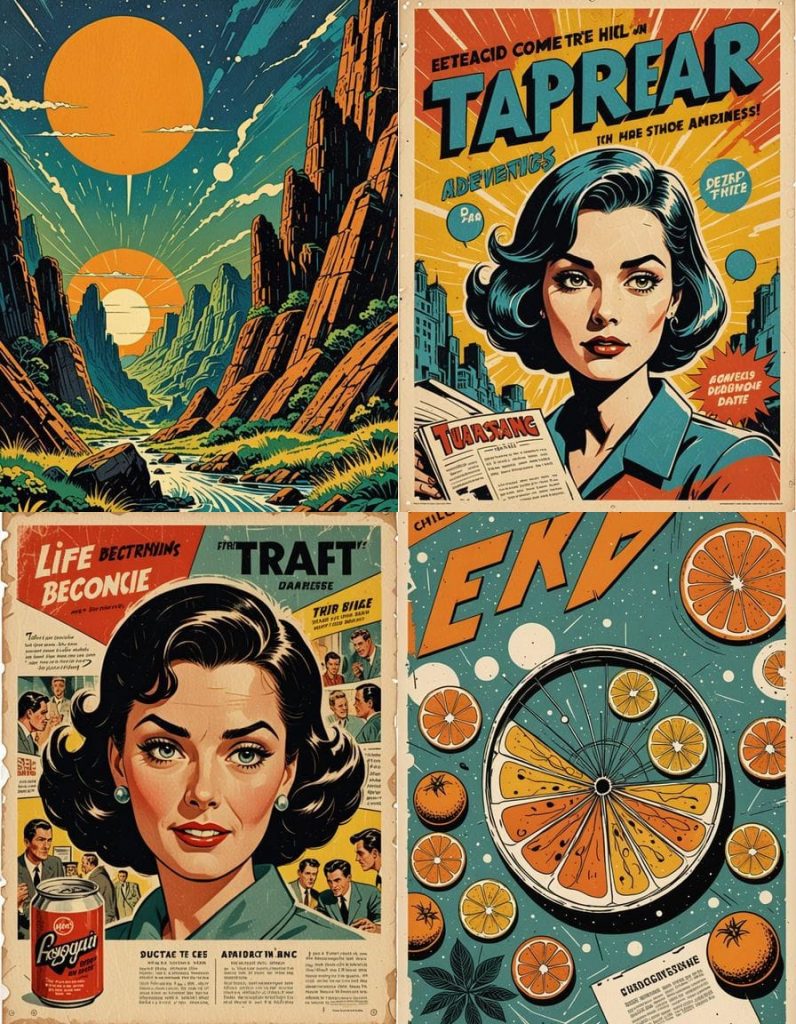
The Hidden Costs: Time, Energy, Sanity
The real price of AI image generation isn’t just the subscription fees or the electricity guzzled by data centers. It’s the time—the hours spent tweaking prompts, regenerating images, and chasing a vision that never quite materializes. What starts as a fun experiment can morph into an obsession, where the next generation might finally be the one.
And then there’s the environmental cost. Training and running AI models demand massive computational power, contributing to the carbon footprint of our digital lives. Every “quick” image generation adds up, making this hobby less innocent than it seems.
So, Is It Worth It?
Well …
AI image generation is a double-edged sword. For the curious and patient, it’s a gateway to uncharted creative territory. For the perfectionist, it’s a siren song that lures you into endless iterations. The key is to embrace its imperfections—use it as a tool, not a crutch, and remember: the best art, even when flawed, carries a spark of humanity that AI can’t replicate.
Will AI image generation drive you mad? Maybe. But if you let go of perfection, it might just set your creativity free.